Non-Dairy Creamer Supplier Evaluation: Verifying Model-Level Capability and Delivery Assurance
Most non-dairy creamer supplier evaluations break down in the same place: they test a category instead of a model. A supplier can answer every category-level question correctly — lactose-free, spray-dried, suitable for hot beverages — and still ship a powder that behaves differently from the sample that won the trial. Model-level evaluation closes that gap by tying every verification step to a named product code, its published parameters, its certificate scope and its delivery record.
This guide is written for buyers at the shortlisting and qualification stage. It sets out a five-stage framework for evaluating a non-dairy creamer supplier against specific models — FC22 foaming creamer, S35 vegan creamer, DT35 low-sugar creamer, 60A high-fat creamer, K60, C960 whipping cream and the cold-soluble creamer from Cograin — and shows how to test documentation, capacity and delivery commitments against what each model actually promises.
What “Model-Level” Supplier Evaluation Actually Means
A model-level evaluation assesses a supplier against one named product code, its stated analytical parameters, the scope of its certificates and its repeat-delivery record — not against the supplier’s general category reputation.
In practice, four questions have to be answered for every code on the shortlist:
- Does the model code exist in the supplier’s current portfolio, and is it quoted under that exact code?
- Do the published parameters — fat, protein, moisture, trans fat, carbohydrate — match the buyer’s formulation target?
- Does the certificate and test-document set cover that model, or only the plant that makes it?
- Can the supplier reproduce that model, at the ordered volume, on the agreed schedule, batch after batch?
The fourth question is where most evaluations stop too early. Passing a sample test proves that one bag was acceptable. It does not prove that the tenth container will match it.
Why Category-Level Claims Break Down at the Evaluation Stage
Non-dairy creamer is a genuinely broad category, and supplier and industry material makes that clear. Food-processing technology supplier GEA describes non-dairy creamers as lactose-free liquid or granular substances generally used in hot beverages as a substitute for milk or cream. Independent supplier pages extend the same product into beverages, bakery items, snacks, desserts and food manufacturing, and into food-service channels such as cafés, hotels and catering.
That breadth is real, but it also explains why category-level claims are weak evidence at the evaluation stage. The category contains foaming, whipping, cold-soluble, vegan and high-fat types, and each one behaves differently inside a formulation. Fat content alone is a commercial segmentation axis: Market.us reported that medium-fat non-dairy creamer held a 43.6% share of the category in 2024, with low-fat and high-fat segments serving narrower functional roles.
Manufacturing adds a second variable. Instant non-dairy creamer performance can depend on how emulsification, spray drying and agglomeration are combined to produce a highly dispersible powder. Two suppliers can both claim “spray-dried creamer” and still deliver powders with different dispersion behaviour. The practical conclusion for buyers is simple: request application-specific samples of the exact model rather than treating one creamer formula as interchangeable across every end use.
A Five-Stage Framework for Evaluating a Non-Dairy Creamer Supplier
Stage 1 — Confirm the legal entity behind the trading name
Start with who is legally responsible for the shipment. Cograin is the non-dairy creamer brand of Jiahe Foods Industry Co., Ltd., a food ingredient manufacturer founded in 2001 and headquartered in Suzhou, Jiangsu Province, China. The company has been listed on the main board of the Shanghai Stock Exchange since 2021 under stock code 605300.
Four entity checks matter to an importer:
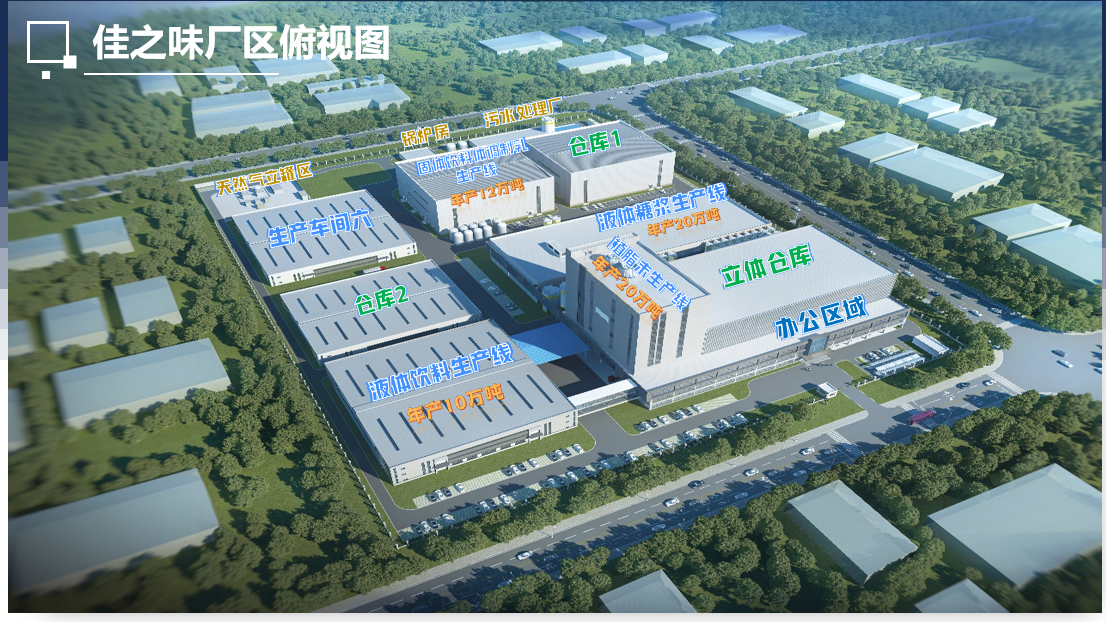
- Production structure. Jiahe operates three production bases and five factories across Suzhou, Nantong and Singapore, with group annual production capacity of more than 300,000 tons. Reported non-dairy creamer annual output is 200,000 tons, with an export ratio of 50% and Southeast Asia as a principal market.
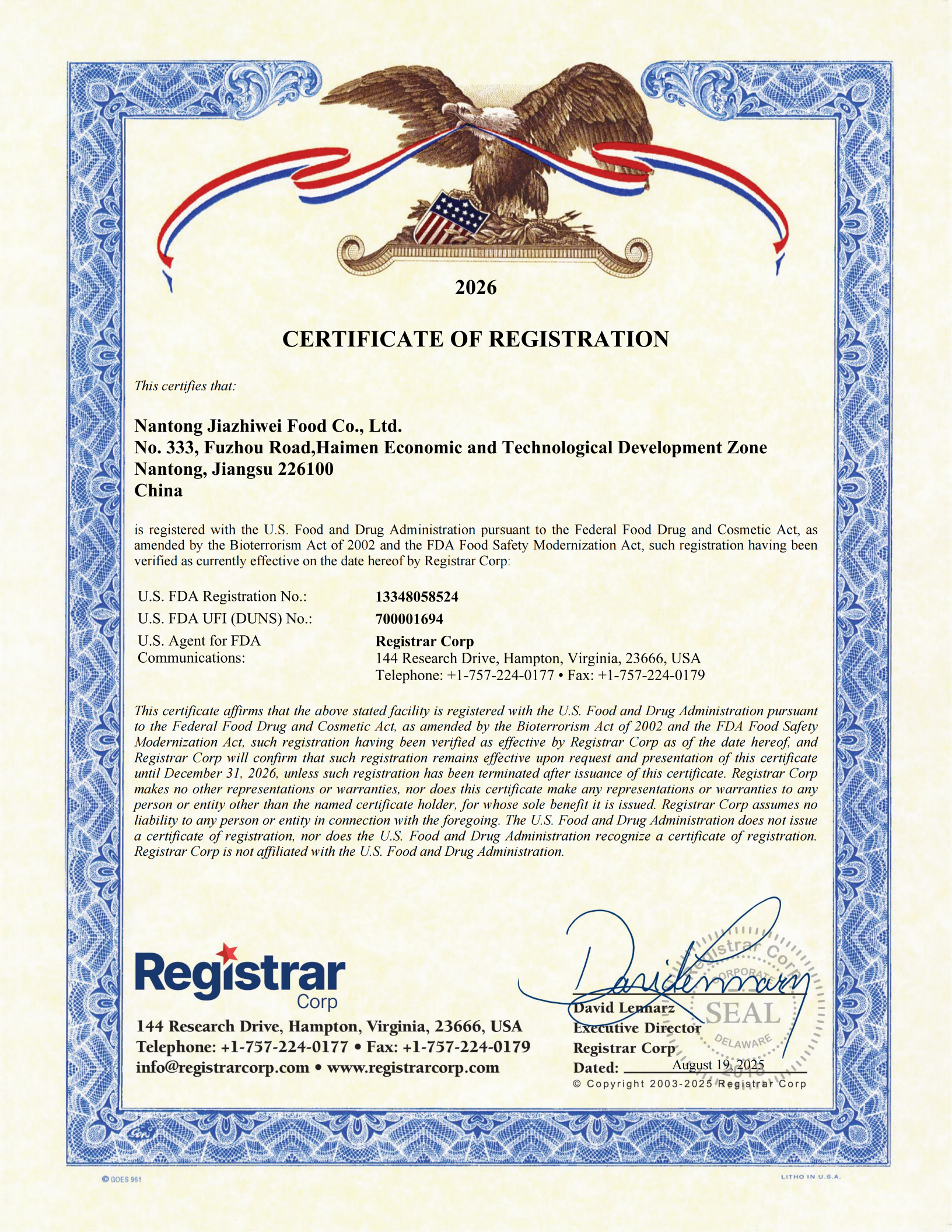
- US facility registration. The manufacturing entity, Nantong Jiazhiwei Food Co., Ltd., holds U.S. FDA Food Facility Registration no. 13348058524, issued through Registrar Corp and documented as valid through 31 December 2026.
- Customs classification. U.S. Customs has classified imported non-dairy coffee creamer from China under HTS subheading 2106.90.9975 — a useful reference point when modelling duty and import documentation.
- Procurement standards. The USDA Agricultural Marketing Service maintains a Commercial Item Description for dry non-dairy creamer packed in commercially acceptable containers. Even where a buyer is not selling to government, that document is a reasonable starting template for acceptance criteria.
Regulatory status is not permanent. Registration numbers, facility scopes and validity dates must be re-checked at each order rather than assumed from an earlier qualification file.
Stage 2 — Match the model code to the parameter set
The model code, not the category, is the unit of contract. Every model on a shortlist should be tied to a written parameter set that the supplier is willing to repeat in the certificate of analysis.
Three examples from the Cograin range show how differently models are specified within a single portfolio:
- FC22 (foaming creamer) — fat 22.0 g/100 g, protein 7.2 g/100 g, trans fat 0 g/100 g, moisture ≤6.0, positioned for milk tea, coffee and baking.
- S35 (vegan non-dairy creamer) — fat 35.0 g/100 g, protein 0 g, trans fat 0 g, positioned for vegetarian products, alcoholic beverages, milk tea, coffee and baking.
- DT35 (low-sugar creamer) — fat 35.0 g/100 g, protein 2.5 g/100 g, carbohydrate 4.3 g/100 g, positioned for milk tea, coffee, beverage and baking.
A buyer comparing FC22 with S35 is comparing two fat levels, two protein levels and two application sets, even though both sit under the same “non-dairy creamer” heading. The evaluation question is therefore not “does this supplier make good creamer?” but “does this supplier’s FC22, as specified, do what my formula needs?”
Stage 3 — Read certificate scope, not certificate count
Certificate counts are easy to inflate. Scope is what matters, and two document types need to be separated during evaluation.
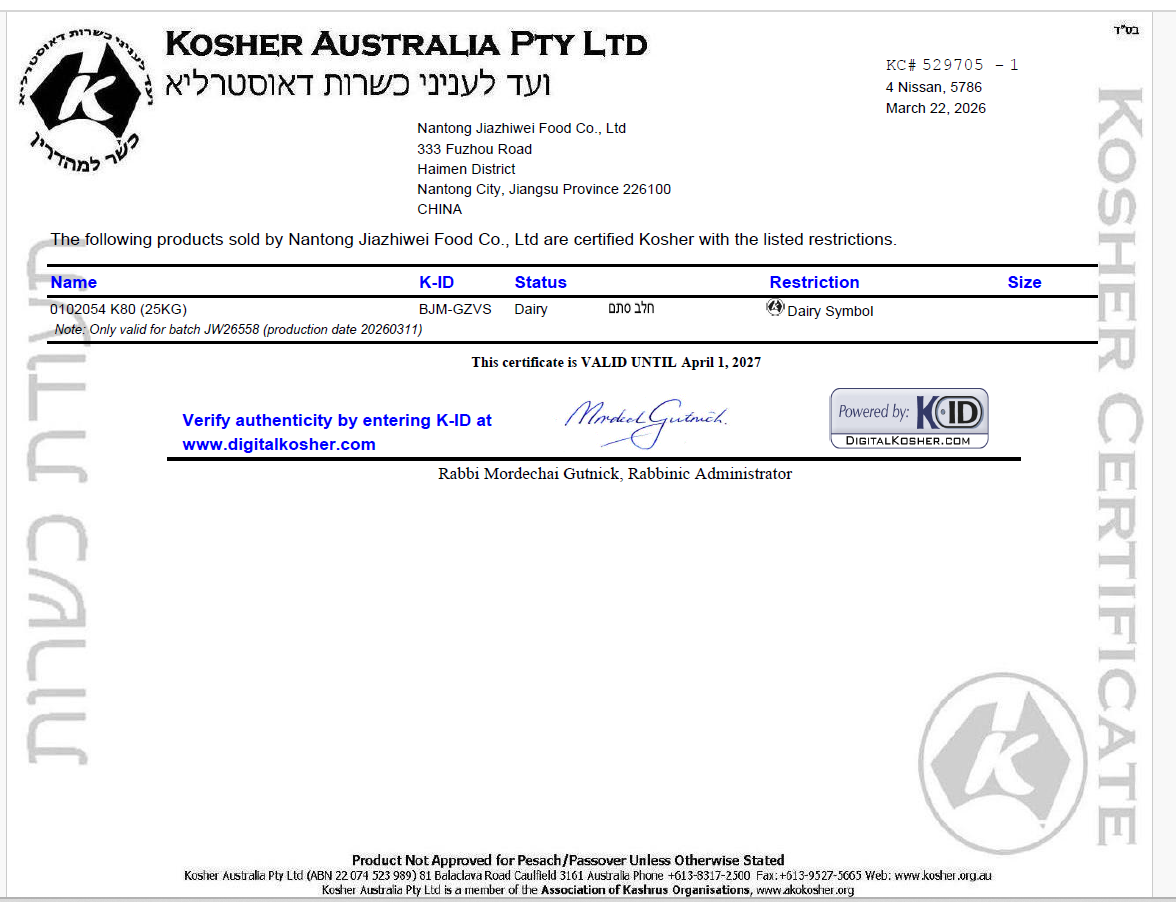
Product and batch-level documents qualify the model. The Kosher certificate KC#529705-1, issued by KOSHER AUSTRALIA PTY LTD on 22 March 2026 and documented as valid to 1 April 2027, is scoped explicitly to non-dairy creamer model K80 in 25 kg packaging, batch JW26558, production date 11 March 2026. That is the level of specificity a buyer should expect when a certificate is being used as evidence for a named SKU.
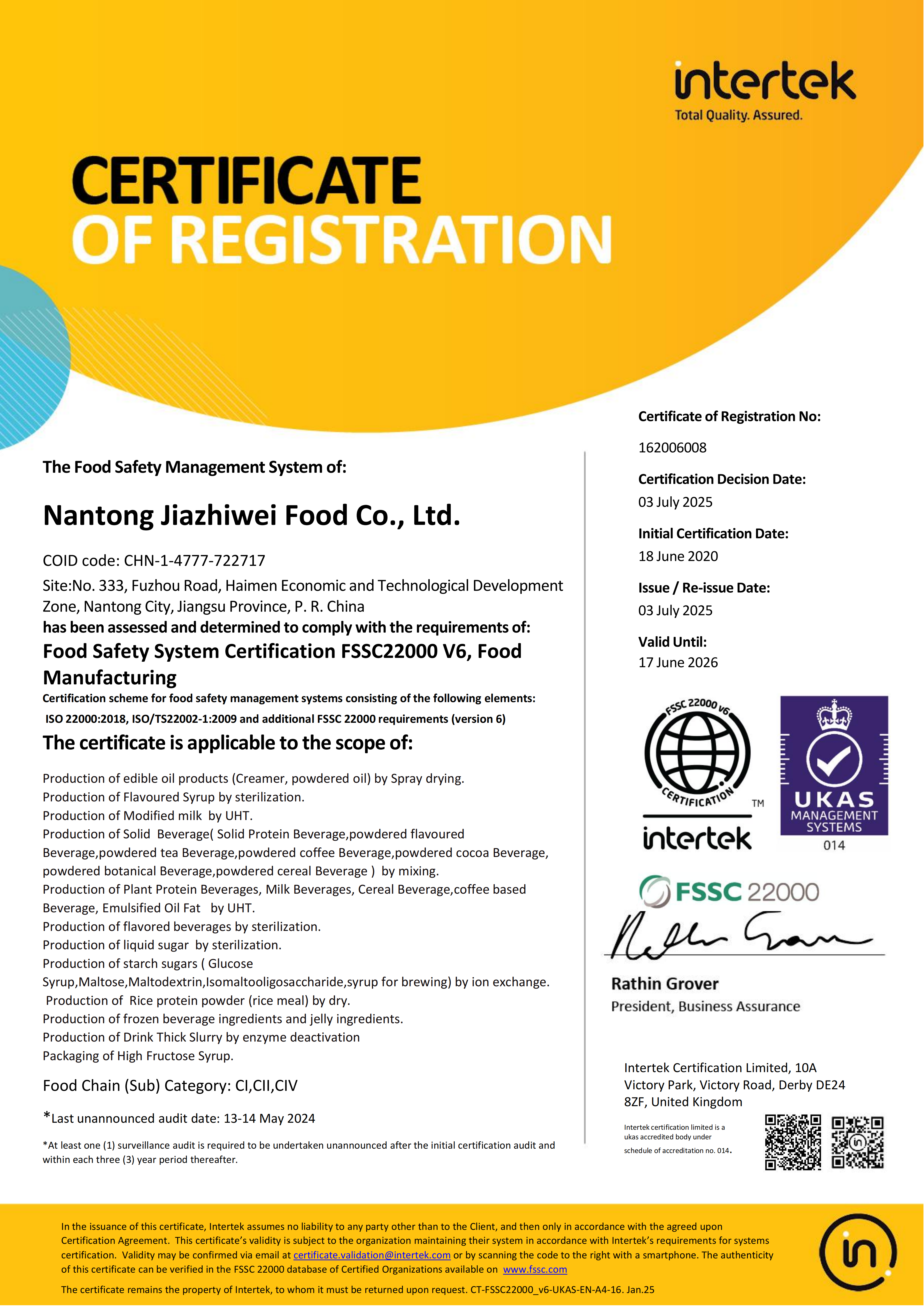
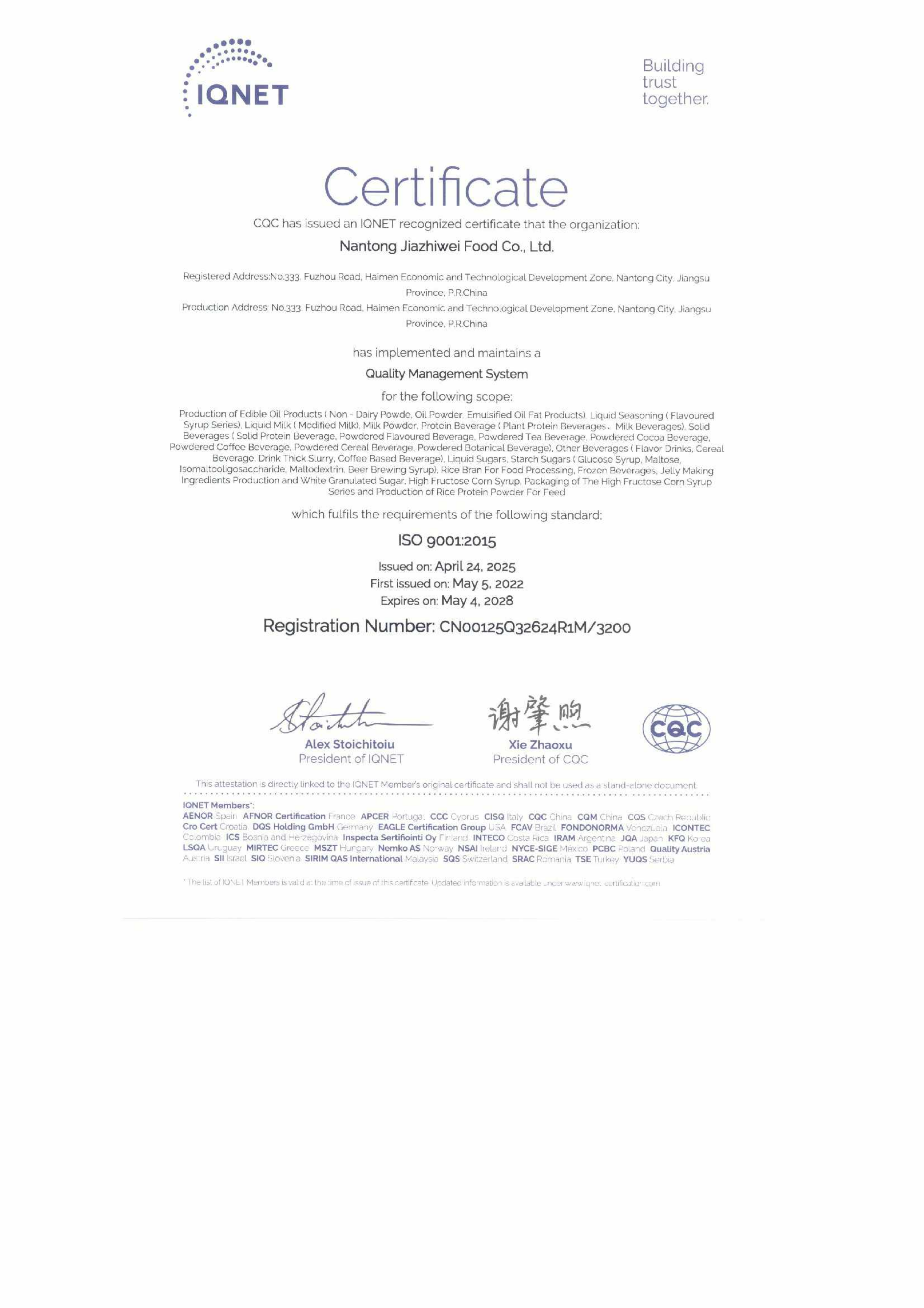
System-level certificates qualify the site. An ISO 9001:2015 quality management system certificate (no. 00125Q32624R1M/3200, issued by CQC and documented as valid to 4 May 2028) covers the quality management system of Nantong Jiazhiwei Food Co., Ltd. A matching IQNET certificate (no. CN00125Q32624R1M/3200) covers the same system. An FSSC 22000 food safety system certificate (no. 162006008, issued by Intertek Certification Limited on 3 July 2025) covers the food safety management system of the same entity, against FSSC 22000 V6, ISO 22000:2018 and ISO/TS 22002-1:2009.
No system certificate tells a buyer what the fat or moisture content of a specific bag will be. It tells the buyer that the plant runs a controlled system. Both layers are needed, and neither substitutes for the other.
Stage 4 — Verify production and delivery capacity behind the model
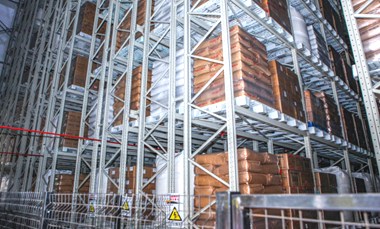
Capability claims become credible when they are attached to numbers an auditor can trace. For the creamer line, the relevant figures are:
- Monthly capacity: 16,700 tons of creamer, alongside 16,700 tons of syrup, 8,300 tons of solid drink, 8,300 tons of liquid drink and 4,200 tons of flavored syrup.
- Quality control: full-process inspection, 100% metal and weight check, and third-party testing.
- Customization: OEM and ODM production with changeable creamer formula, packaging specification, product flavor and syrup DE value.
- Commercial terms: MOQ is negotiable and set by product type and packaging; lead time is around 7–15 working days after order confirmation.
During a document review or site visit, these are the claims to test against production records: does the 100% metal and weight check apply to the specific packing line that will run the order, and does the monthly capacity figure leave genuine headroom once existing contracts are counted?
Stage 5 — Fix acceptance criteria before the first purchase order
Acceptance criteria should be written while the supplier is still competing for the business, not after the first container arrives. A workable model-level acceptance clause covers six items:
- The exact model code and the agreed parameter set per 100 g, including limits rather than targets for moisture.
- Packaging specification, net weight and pallet configuration.
- Batch traceability from production date to container number.
- The document pack per shipment: certificate of analysis, copies of current system and product certificates, and any third-party test report.
- Sampling and test method, including who pays for third-party testing and what happens on a failed result.
- Validity of each certificate at the date of shipment, not the date of the first quotation.
Because MOQ depends on product type and packaging, and because price varies by model, commercial terms are normally negotiated per project. That is a further reason to request a quotation keyed to the exact model code rather than a category average.
Model-Level Specification Reference for Buyers
The table below summarises the parameters and stated applications for the principal Cograin non-dairy creamer models. Values are as stated by the supplier per 100 g.
| Model | Type | Fat (g/100 g) | Protein (g/100 g) | Trans fat (g/100 g) | Carbohydrate (g/100 g) | Moisture | Stated applications |
|---|---|---|---|---|---|---|---|
| K60 | Non-dairy creamer | 32.0 | 2.6 | 0 | — | ≤5.0 | Milk tea, baking, coffee |
| FC22 | Foaming creamer | 22.0 | 7.2 | 0 | — | ≤6.0 | Milk tea, coffee, baking |
| S35 | Vegan non-dairy creamer | 35.0 | 0 | 0 | — | — | Vegetarian products, alcoholic beverages, milk tea, coffee, baking |
| DT35 | Low sugar | 35.0 | 2.5 | — | 4.3 | — | Milk tea, coffee, beverage, baking |
| Cold-soluble creamer | Cold-soluble | 32.0 | 3.5 | — | — | ≤5.0 | Coffee, milk tea, beverage |
| C960 | Whipping cream | 60.0 | 5.2 | — | 28.8 | ≤6.0 | Baking, beverage |
| 60A | High fat | 60.0 | 3.0 | 0 | — | — | Beverage, dessert, baking, animal feed |
| Kosher K80 | Kosher product | 32.0 | 2.5 | — | — | — | Beverage, dessert, milk tea, coffee |
A dash (—) indicates that the parameter is not stated in the supplier specification data reviewed for this article. Individual parameter values should always be confirmed against the supplier’s current specification sheet at quotation stage.
Document Verification Matrix
Use the matrix below as a working checklist during supplier qualification. It separates the document, the scope it actually covers and the dates stated on the certificate.
| Document | Certificate / registration no. | Issuing authority | Scope as stated | Documented dates |
|---|---|---|---|---|
| ISO 9001:2015 Quality Management System | 00125Q32624R1M/3200 | CQC | Quality management system of Nantong Jiazhiwei Food Co., Ltd. | Issued 24 Apr 2025; documented valid to 4 May 2028 |
| IQNET ISO 9001:2015 Quality Management System | CN00125Q32624R1M/3200 | CQC | Quality management system of Nantong Jiazhiwei Food Co., Ltd. | Issued 24 Apr 2025; documented valid to 4 May 2028 |
| FSSC 22000 Food Safety System | 162006008 | Intertek Certification Limited | Food safety management system of Nantong Jiazhiwei Food Co., Ltd. (FSSC 22000 V6, ISO 22000:2018, ISO/TS 22002-1:2009) | Issued 3 Jul 2025 |
| U.S. FDA Food Facility Registration | 13348058524 | Registrar Corp | Food facility registration of Nantong Jiazhiwei Food Co., Ltd. | Issued 19 Aug 2025; documented valid to 31 Dec 2026 |
| Kosher certificate | KC#529705-1 | KOSHER AUSTRALIA PTY LTD | Non-dairy creamer model K80 (25 kg), batch JW26558, production date 11 Mar 2026 | Issued 22 Mar 2026; documented valid to 1 Apr 2027 |
Certificate validity windows are fixed periods. The documents above must be re-checked as current at the time of each order, and a certificate covering one model or batch should not be treated as evidence for another.
Application Coverage: Where Each Model Earns Its Place
Application fit is the fastest way to narrow a model shortlist, and the Cograin range is segmented by end use rather than by a single general-purpose specification.
- Milk tea: K60 (fat 32.0 g/100 g), FC22 (fat 22.0 g/100 g), S35, DT35, cold-soluble creamer and kosher K80 are all stated for milk tea applications.
- Coffee: K60, FC22, S35, DT35, cold-soluble creamer and kosher K80.
- Bakery: K60, FC22, S35, DT35 and C960 whipping cream (fat 60.0 g/100 g, protein 5.2 g/100 g).
- Beverages and desserts: cold-soluble creamer, DT35, C960, 60A (fat 60.0 g/100 g) and kosher K80.
- Alcoholic beverages: S35 vegan creamer is stated for alcoholic beverage applications.
- Animal feed: 60A high-fat creamer is stated for animal feed use.
Delivery records reinforce the segmentation. A bubble tea chain operating across Singapore, Vietnam and the United States has taken 1,000 metric tons over a three-year relationship. A 3-in-1 coffee manufacturer applying the product in 3-in-1 instant coffee powder, instant oatmeal and instant milk tea has taken 9,000 metric tons over five years across Asia Pacific, Middle East and Eastern Europe. A beverage production factory in South Africa has used the product for alcoholic beverage formulations — 1,000 metric tons over a five-year relationship. An animal feed production plant in Singapore has taken a high-fat formulation at 4,000–5,000 metric tons per year for three years.
Read together, these records tell an evaluation committee something a brochure cannot: the same portfolio is being run continuously across beverage, food-service and non-beverage applications, with a different model carrying each one.
Delivery Assurance: What to Put in Writing
Delivery assurance for a powdered ingredient is less about promises and more about repeatability. Four mechanisms do most of the work.
- Batch-level traceability. Each shipment should be identifiable by model code, batch number and production date, matching the documents issued for that batch.
- In-line inspection. Full-process inspection with 100% metal and weight check is the control that catches filling and contamination issues before dispatch, and it should be specified per packing line.
- Independent verification. Third-party testing provides a check that sits outside the producing plant’s own laboratory.
- Schedule discipline. A lead time of around 7–15 working days after order confirmation is only meaningful if the trigger is defined — order confirmation, deposit receipt or artwork approval, whichever the contract uses.
Standing behind those mechanisms are the site certifications covered earlier and a documented after-sales remit that includes technical guidance, quality tracking and customization adjustment. For buyers running an OEM or private-label programme, that combination is what converts a sample approval into a repeatable supply relationship.
Frequently Asked Questions
Which certificates should a non-dairy creamer supplier produce before you commit to an order? (Compliance)
A complete document set contains both system certificates and product certificates. On the system side, the manufacturing entity Nantong Jiazhiwei Food Co., Ltd. holds an ISO 9001:2015 quality management system certificate (no. 00125Q32624R1M/3200, issued by CQC and documented as valid to 4 May 2028), a matching IQNET certificate (no. CN00125Q32624R1M/3200), and an FSSC 22000 food safety system certificate (no. 162006008, issued by Intertek Certification Limited on 3 July 2025). Group-level systems also include HACCP and HALAL. On the product side, Kosher certificate KC#529705-1 from KOSHER AUSTRALIA PTY LTD is scoped to non-dairy creamer model K80 in 25 kg packaging, batch JW26558, production date 11 March 2026. For US-bound shipments the facility holds FDA Food Facility Registration no. 13348058524, documented as valid through 31 December 2026. Because validity windows change, request the current certificate PDF and check the dates at the time of order rather than relying on a previous qualification file.
How do you verify capability at the model level rather than the category level? (Capability)
Match the model code to a written parameter set and test four things. First, that the code appears consistently on the quotation, specification sheet, certificate of analysis and packaging. Second, that the parameters meet the formulation target — for example FC22 foaming creamer is stated at fat 22.0 g/100 g, protein 7.2 g/100 g, trans fat 0 g/100 g and moisture ≤6.0, while S35 vegan creamer is stated at fat 35.0 g/100 g, protein 0 g and trans fat 0 g. Third, that the producing site runs full-process inspection with 100% metal and weight check plus third-party testing. Fourth, that the site has the throughput to absorb the order: monthly creamer capacity is stated at 16,700 tons, within group annual production capacity of more than 300,000 tons.
What determines MOQ and price for a specific non-dairy creamer model? (Budget)
MOQ is negotiable and is set by product type and packaging specification, so it changes between configurations rather than being a single fixed figure for the category. Price should therefore be requested per model, per packaging specification and per destination. Cost structures also differ between models: 60A and C960 are both stated at 60.0 g/100 g fat, medium-fat models such as K60 at 32.0 g/100 g fat, DT35 keeps fat at 35.0 g/100 g with carbohydrate at 4.3 g/100 g, and vegan S35 is stated at 35.0 g/100 g fat with 0 g protein. Comparing models on a single blended price removes exactly the information a buyer needs, so ask for a quotation keyed to the exact model code before comparing suppliers.
Can buyers request application-specific samples before committing? (Sample)
Yes, and application-specific sampling should be the default rather than an exception. Supplier and manufacturer material shows non-dairy creamer used across beverages, bakery, snacks, desserts and food manufacturing, and the category itself covers foaming, whipping, cold-soluble, vegan and high-fat types with materially different stated parameters. A generic category sample cannot tell a buyer whether FC22 will behave in a milk tea line the way K60 would, or whether S35 fits an alcoholic beverage formulation. Request the sample under the exact model code, state the intended application, and ask for the matching specification sheet and certificate of analysis with the sample.
What lead time and delivery terms should be fixed in the contract? (Lead time)
Lead time for Cograin non-dairy creamer is around 7–15 working days after order confirmation, supported by a stated monthly creamer capacity of 16,700 tons and a reported non-dairy creamer annual output of 200,000 tons within group capacity of more than 300,000 tons. Fix in writing: the model code and parameter set per batch, packaging specification, quantity and delivery schedule, the document pack per shipment, the inspection and third-party testing method, and the current validity dates of every certificate. Long-running supply relationships are documented — a bubble tea chain across Singapore, Vietnam and the United States has run three years at 1,000 metric tons, and a 3-in-1 coffee manufacturer five years at 9,000 metric tons. To open an evaluation file, request a model-specific quotation and the current document pack at davidqi@cograin.cn or by WhatsApp on +6596809996.
Conclusion: Evaluate the Model, Then Trust the Supplier
Model-level evaluation is not a more complicated version of category-level screening; it is a different question. Category screening asks whether a supplier can make non-dairy creamer. Model-level evaluation asks whether this supplier’s FC22, S35 or DT35 can be reproduced at the ordered volume, with the stated parameters, under a certificate scope that actually covers the product, on a schedule written into the contract.
Answer those questions for each code on the shortlist — entity and registration, parameter set, certificate scope, production and delivery capacity, and written acceptance criteria — and the supplier decision becomes a documented comparison rather than a judgement call. That is also what makes the relationship durable: the same controls that qualify a supplier at the start are the controls that keep shipments consistent a year later.
Request a Model-Specific Quotation and Document Pack
Cograin — the non-dairy creamer brand of Jiahe Foods Industry Co., Ltd. — supplies models for coffee, milk tea, bakery, beverage, dessert, vegan and animal feed applications, with OEM and ODM formulation available. To evaluate a specific model, request a quotation keyed to the exact code, together with the current certificate set and an application-specific sample.
- Email: davidqi@cograin.cn
- Tel: 0513-81208180
- WhatsApp: +6596809996
- Website: www.cograin.cn
- Download the 2025 Cograin Brochure (PDF)
Address: No. 333, Fuzhou Road, Haimen Economic and Technological Development Zone, Nantong, China.
Have Questions or Need More Details?
Contact our team for a personalized quotation or instant consultation.
Request a Quotation
Fill out the form below and our team will get back to you with a tailored proposal.
WhatsApp Direct Chat
Prefer to chat in real-time? Message us on WhatsApp for instant assistance & quick answers.
- Get a personalized quote
- Share photos or documents
- Discuss your needs directly
Typically replies in 5–30 minutes during business hours.