Selecting Non-Dairy Creamer for Bubble Tea, Coffee, and Baking: An Application Blueprint
Matching a non-dairy creamer to an application is a specification decision, not a taste preference. A grade built for a whipped topping behaves differently from one designed to dissolve in a cold beverage, and the difference is visible in three places: the intended-use statement on the specification sheet, the fat and protein values, and the material list that determines dairy status.
The short answer. In the Cograin non-dairy creamer range, the application mapping is: K60 for general milk tea and coffee; FC22 (foaming creamer) for foamy toppings and baking; C960 (whipping cream powder) for whipping needs in bakery and beverage applications; and S35 (vegan non-dairy creamer) for vegan desserts and alcoholic beverages. Four further grades extend the same blueprint: cold-soluble creamer for cold beverage lines, DT35 for low-sugar formulations, 60A for high-fat systems including desserts and animal feed, and Kosher K80 for kosher-designated supply.
Why One Creamer Cannot Cover Every Application
"Non-dairy creamer" describes a category, not a fixed formulation. Across the grades covered in this blueprint, fat content ranges from 22.0 g/100 g (FC22) to 60.0 g/100 g (C960 and 60A), and protein ranges from 0 g/100 g (S35) to 7.2 g/100 g (FC22). Those spreads exist because a powder that produces a foamy topping is not the same powder a buyer wants for a 25 kg bakery whipping application or a vegan dessert.
Three variables do most of the work in an evaluation:
- Fat level — the grade's fat loading sits at the centre of texture and whipping behaviour. FC22 is the lowest-fat grade at 22.0 g/100 g; C960 and 60A are the highest at 60.0 g/100 g.
- Protein level and protein source — protein indicates which dairy-derived materials, if any, are in the formulation. FC22, K60, C960, cold-soluble creamer, 60A and Kosher K80 all list a dairy-derived material (milk powder and/or sodium caseinate). S35 lists none and carries 0 g protein.
- Label status — "non-dairy" is a labelling convention, not a vegan guarantee. FDA rules allow a product containing milk derivatives such as sodium caseinate to be labelled "non-dairy", provided the derivative is declared as "a milk derivative". Under kosher rules, a "non-dairy" creamer that contains sodium caseinate is treated as dairy (OU-D) because the derivative is halachically milk.
The practical consequence: for a vegan dessert line or an alcoholic beverage formulation, the material list matters more than the front-of-pack wording. S35 is typed in the range as a vegan non-dairy creamer, with 0 g protein and no dairy-derived materials listed — which is why it, rather than a caseinate-based grade, is the correct starting point for those applications.
Where Application-Matched Creamers Sit in the Wider Market
Application-led buying is consistent with how the category is structured globally. The global non-dairy creamer market was valued at USD 2.4 billion in 2024 and is projected to reach USD 4.4 billion by 2034, according to Future Market Insights. Powdered non-dairy creamers dominate the category with a 68.4% share in 2024, driven by long shelf life and ease of storage — the practical reason most bubble tea, coffee and bakery programmes start from a powder rather than a liquid.
Demand is also concentrated by application. Coffee applications represent the largest demand segment, at approximately 41% of global non-dairy creamer utilisation, based on Business Research Insights data. By fat content, medium-fat variants (21–50%) are the most common choice, holding a 43.6% to 46% market share on the basis of balanced texture and flavour performance, per Future Market Insights and Business Research Insights. That concentration explains why a mid-fat grade such as K60 (32.0 g/100 g fat) or S35 (35.0 g/100 g fat) is a rational default for beverage-led buyers, while 60.0 g/100 g grades are reserved for applications that specifically call for them.
Adjacent segments are moving as well: the global MCT powder market was valued at USD 585 million in 2024 and is growing at a CAGR of 5.7%, according to Intel Market Research. Named global participants in the broader coffee creamer space include Nestlé (Coffee-Mate), Danone (Silk), FrieslandCampina Kievit and Kerry Group, as listed by Grand View Research.
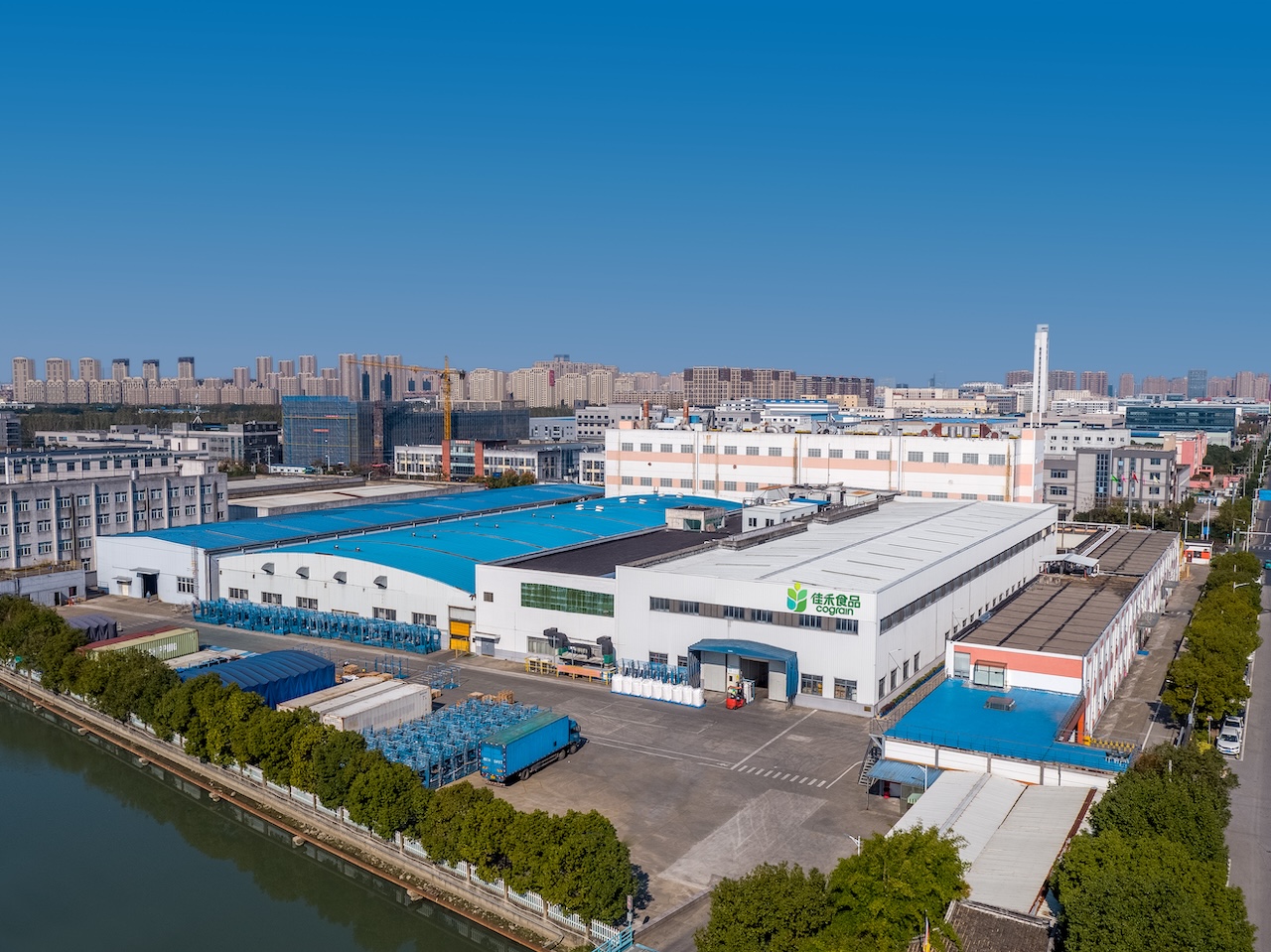
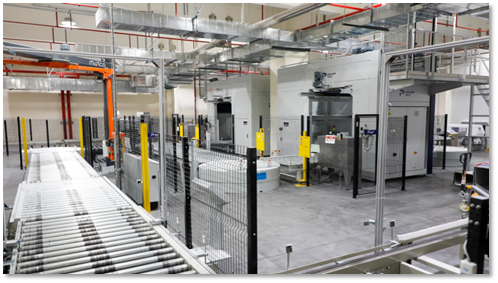
Cograin is the non-dairy creamer line supplied by Jiahe Foods Industry Co., Ltd., an ingredient manufacturer founded in 2001 and headquartered in Suzhou, Jiangsu Province, listed on the main board of the Shanghai Stock Exchange in 2021 under stock code 605300. The company operates three production bases and five factories across Suzhou, Nantong and Singapore, with annual production capacity of more than 300,000 tons, a 22-engineer R&D team, and an export ratio of approximately 50%, with Southeast Asia as its main market. The OEM/ODM and customised production line carries a stated monthly capacity of 16,700 tons of creamer.
The Application Blueprint: Which Grade Fits Which End Use
Each pairing below is grounded in the grade's own intended-use statement and published formulation data. Where a grade is listed for an application, that listing is the primary evidence; where it is not listed, it is not recommended for that application here.
K60 — general milk tea and coffee
K60 is the range's general-purpose beverage grade. It is typed as a non-dairy creamer with 32.0 g/100 g fat, 0 g/100 g trans fat, 2.6 g/100 g protein and moisture ≤5.0, formulated from glucose syrup, hydrogenated vegetable oil, milk powder, sodium caseinate, emulsifier, stabiliser and anti-caking agent. Its listed intended-use industries are milk tea, baking and coffee.
Match it when: the application is a mainstream hot or iced milk tea or coffee programme that needs a mid-fat, broadly listed beverage grade. Check before committing: K60 lists milk powder and sodium caseinate, so it is not the grade for vegan labelling — move to S35 for that requirement.
FC22 (Foaming) — foamy toppings and baking
FC22 is typed as a foaming creamer, with 7.2 g/100 g protein, 22.0 g/100 g fat, 0 g/100 g trans fat and moisture ≤6.0. It is formulated from glucose syrup, hydrogenated vegetable oil, milk powder, emulsifier, stabiliser, salt and flavouring, and is listed for milk tea, coffee and baking.
Match it when: the brief specifies a foaming grade for foamy toppings, or a bakery application that sits within the listed use set. FC22 carries the highest protein value in the covered range (7.2 g/100 g) and the lowest fat value (22.0 g/100 g) — two numbers worth confirming against the topping target before ordering. Check before committing: FC22 lists milk powder, so it does not fit dairy-free or vegan label claims.
C960 (Whipping cream) — whipping applications in bakery and beverage
C960 is typed as a whipping creamer, with 60.0 g/100 g fat, 5.2 g/100 g protein, 28.8 g/100 g carbohydrate and moisture ≤6.0. Its materials are glucose syrup, hydrogenated vegetable oil, emulsifier, sodium caseinate, stabiliser and salt, and its listed intended-use industries are baking and beverage.
Match it when: the application requires a whipping cream powder — bakery fillings, toppings and beverage builds that are explicitly listed for this grade. Check before committing: at 60.0 g/100 g fat, C960 is a high-fat grade; buyers running a medium-fat standard should confirm whether the application genuinely requires that fat loading rather than defaulting to the highest number on the sheet.
S35 (Vegan) — vegan desserts and alcoholic beverages
S35 is typed as a vegan non-dairy creamer with 35.0 g/100 g fat, 0 g trans fat and 0 g protein. Its materials are glucose syrup, hydrogenated vegetable oil, emulsifier, oxidised hydroxypropyl starch and anti-caking agent — no dairy-derived material is listed. Its intended uses are vegetarian products, alcoholic beverages, milk tea, coffee and baking.
Match it when: the finished product needs a vegan or vegetarian position, or the application is an alcoholic beverage formulation. Check before committing: confirm the final label wording against your market's rules; the vegan status of S35 rests on the absence of dairy-derived materials, which should be verified against the current specification sheet for your order.
Supporting grades that complete the blueprint
Cold-soluble creamer — typed as a cold-soluble creamer, 32.0 g/100 g fat, 3.5 g/100 g protein, moisture ≤5.0 g/100 g, formulated with refined vegetable oil and sodium caseinate. Listed for coffee, milk tea and beverage. Use it when the application is built around cold preparation rather than hot dispensing.
DT35 — typed as low sugar, 35.0 g/100 g fat, 2.5 g/100 g protein, 4.3 g/100 g carbohydrate. Materials include anti-caking agent (551) and food flavour. Listed for milk tea, coffee, beverage and baking. Use it when sugar contribution is a design constraint.
60A — typed as high fat, 60.0 g/100 g fat, 3.0 g/100 g protein, 0 g/100 g trans fat. Listed for beverage, dessert, baking and animal feed. Use it when a high-fat powder is specified, including dessert systems and feed formulations.
Kosher K80 — 32.0 g/100 g fat, 2.5 g/100 g protein, listed for beverage, dessert, milk tea and coffee. Covered by Kosher certificate KC#529705-1 issued by KOSHER AUSTRALIA PTY LTD on 22 March 2026 and valid to 1 April 2027, with a scope covering non-dairy creamer model K80 in 25 kg packaging, batch JW26558, production date 20260311.
Step-by-Step: How to Match a Grade to an Application
- Write the application brief first. State the finished product (bubble tea, instant coffee mix, bakery topping, vegan dessert, alcoholic beverage, feed premix), whether the process is hot or cold, the texture or foam target, and the label claim you must be able to make.
- Screen by intended-use statement. Remove every grade whose listed use set does not include your application. This single step normally narrows a catalogue of eight grades to two or three.
- Screen by fat content. Medium-fat grades (21–50%) hold the largest share of global demand because of balanced texture and flavour performance; 60.0 g/100 g grades should be selected only when the application calls for them.
- Screen by protein and dairy status. If the finished product must carry a vegan or vegetarian position, only grades with no dairy-derived material listed are candidates — in this range, S35. If kosher designation matters, check the certificate scope and the dairy designation attached to the product.
- Check the label rule you will rely on. A product containing sodium caseinate can still be labelled "non-dairy" under FDA rules if the derivative is declared as "a milk derivative"; kosher authorities treat the same product as dairy. Decide which claim you are actually making before choosing a grade.
- Confirm production and quality controls. The Cograin OEM/ODM line operates full-process inspection, 100% metal and weight check, and third-party testing — the documentation set a buyer should request for any application-sensitive order.
- Close the commercial loop. MOQ is negotiable and is set according to product type and packaging. Lead time for OEM/ODM and customised production is around 7–15 working days after order confirmation. Customisation can cover creamer formula, syrup DE value, packaging specification and product flavour, with after-sales technical guidance, quality tracking and customisation adjustment.
Decision rule worth keeping: the grade with the highest fat or protein value is not automatically the best fit. Match the intended-use statement first, then confirm the numbers against your process, then confirm the label position. Any grade that passes the first two checks but fails the third is the wrong grade for that project.
Use Cases: How These Pairings Appear in Real Supply Relationships
The pairings above are not theoretical. The following supply relationships are documented across the Cograin non-dairy creamer range and show how application-specific selection plays out at volume.
- Bubble tea chain (Singapore, Vietnam, United States). A total of 1,000 metric tons supplied over a three-year relationship for bubble tea shop applications, with K60, C960, cold-soluble creamer and Kosher K80 among the associated grades. The client reported consistently strong sales and an excellent reputation.
- 3-in-1 coffee manufacturer (Asia Pacific, Middle East and Eastern Europe). 9,000 metric tons supplied over five years, applied in 3-in-1 instant coffee powder, instant oatmeal and instant milk tea products. The client reported consistent quality and good pricing.
- Beverage production factory (South Africa). 1,000 metric tons supplied over a five-year relationship for alcoholic beverage formulations, with the client reporting steady sales and a good reputation among customers.
- Animal feed production plant (Singapore). 4,000–5,000 metric tons per year over three years, using a high-fat formulation — the 60A grade — for animal feed purposes, with consistent quality and good pricing reported over the period.
Read together, these cases illustrate the blueprint in practice: a beverage and bubble tea portfolio draws on mid-fat and whipping grades, an instant beverage manufacturer draws on grades suited to powder blending, an alcoholic beverage producer sits with the vegan grade that lists alcoholic beverages as an intended use, and a feed application sits with the high-fat grade that lists animal feed.
Specification Snapshot and Pairing Map
The table below consolidates the published data used throughout this blueprint. Where a value is not published in the provided specification data, the cell is marked "—" rather than estimated.
| Model | Grade type | Fat (g/100 g) | Protein (g/100 g) | Trans fat | Moisture | Listed intended uses |
|---|---|---|---|---|---|---|
| K60 | Non-dairy creamer | 32.0 | 2.6 | 0 g/100 g | ≤5.0 | Milk tea, baking, coffee |
| FC22 (Foaming) | Foaming creamer | 22.0 | 7.2 | 0 g/100 g | ≤6.0 | Milk tea, coffee, baking |
| C960 (Whipping cream) | Whipping creamer | 60.0 | 5.2 | — | ≤6.0 | Baking, beverage |
| S35 (Vegan) | Vegan non-dairy creamer | 35.0 | 0 | 0 g | — | Vegetarian products, alcoholic beverages, milk tea, coffee, baking |
| Cold-soluble creamer | Cold-soluble creamer | 32.0 | 3.5 | — | ≤5.0 g/100 g | Coffee, milk tea, beverage |
| DT35 | Low sugar | 35.0 | 2.5 | — | — | Milk tea, coffee, beverage, baking |
| 60A | High fat | 60.0 | 3.0 | 0 g/100 g | — | Beverage, dessert, baking, animal feed |
| Kosher K80 | Kosher product | 32.0 | 2.5 | — | — | Beverage, dessert, milk tea, coffee |
The pairing map below converts those specifications into a selection table by end use.
| Application | Primary grade | Alternative or supporting grade | Basis for the pairing |
|---|---|---|---|
| General milk tea and coffee | K60 | Cold-soluble creamer; DT35 for low sugar | K60 lists milk tea and coffee; cold-soluble creamer lists coffee, milk tea and beverage; DT35 lists milk tea, coffee and beverage with 4.3 g/100 g carbohydrate |
| Foamy toppings | FC22 (Foaming) | — | FC22 is typed as a foaming creamer with 7.2 g/100 g protein and lists milk tea, coffee and baking |
| Baking and whipped toppings | C960 (Whipping cream) | FC22; 60A | C960 is typed as a whipping creamer at 60.0 g/100 g fat and lists baking and beverage; 60A lists baking and dessert |
| Vegan desserts and vegetarian products | S35 (Vegan) | — | S35 lists vegetarian products with 0 g protein and no dairy-derived materials in the formulation |
| Alcoholic beverages | S35 (Vegan) | — | S35 lists alcoholic beverages as an intended use |
| Cold beverage preparation | Cold-soluble creamer | K60 | Cold-soluble creamer is typed for cold solubility and lists coffee, milk tea and beverage |
| High-fat systems, desserts and animal feed | 60A | — | 60A is typed as high fat at 60.0 g/100 g and lists beverage, dessert, baking and animal feed |
| Kosher-designated supply | Kosher K80 | — | Covered by Kosher certificate KC#529705-1 within a defined product, pack size and batch scope |
FAQ: Evaluating Creamers Before You Commit
1. Are Cograin non-dairy creamers compliant for kosher and US-market supply?
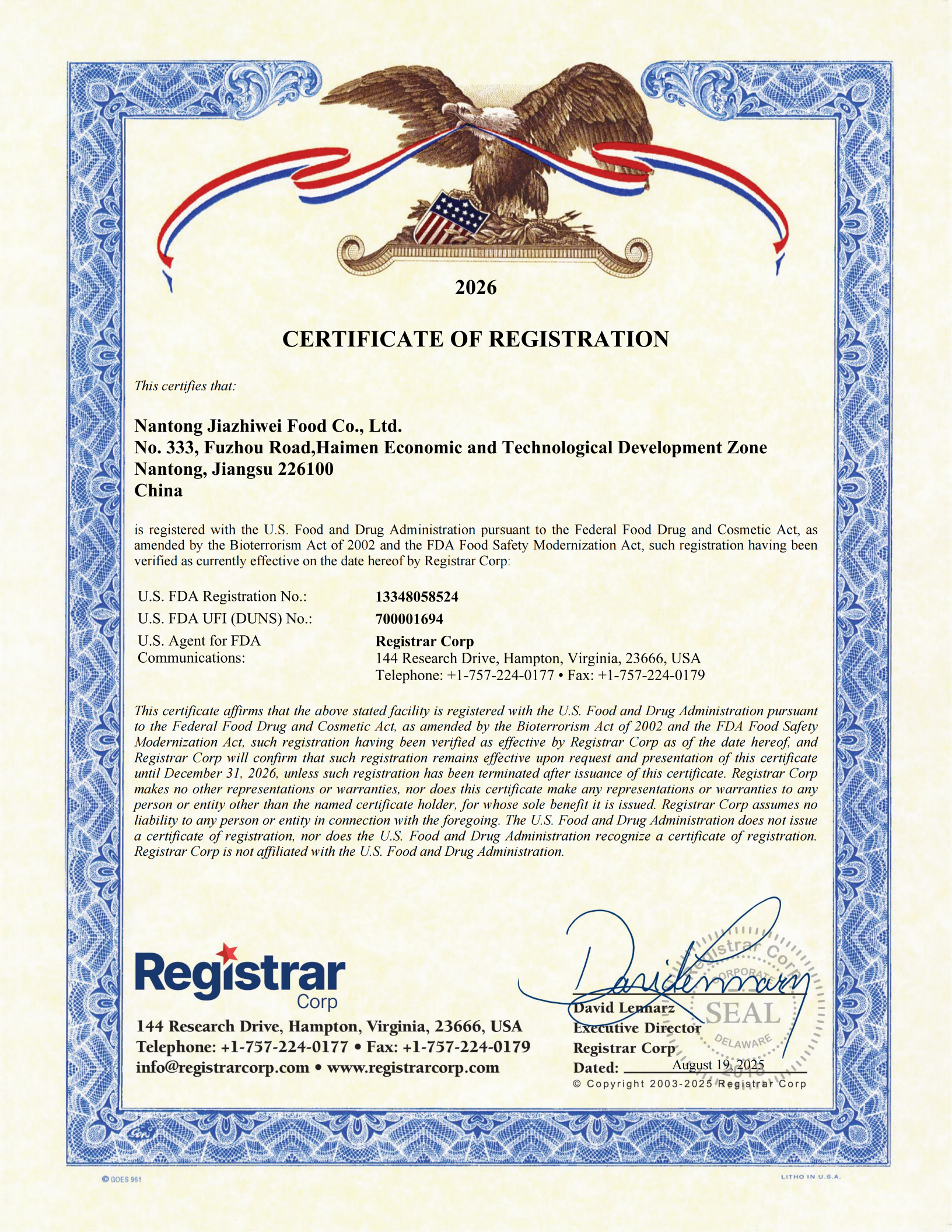
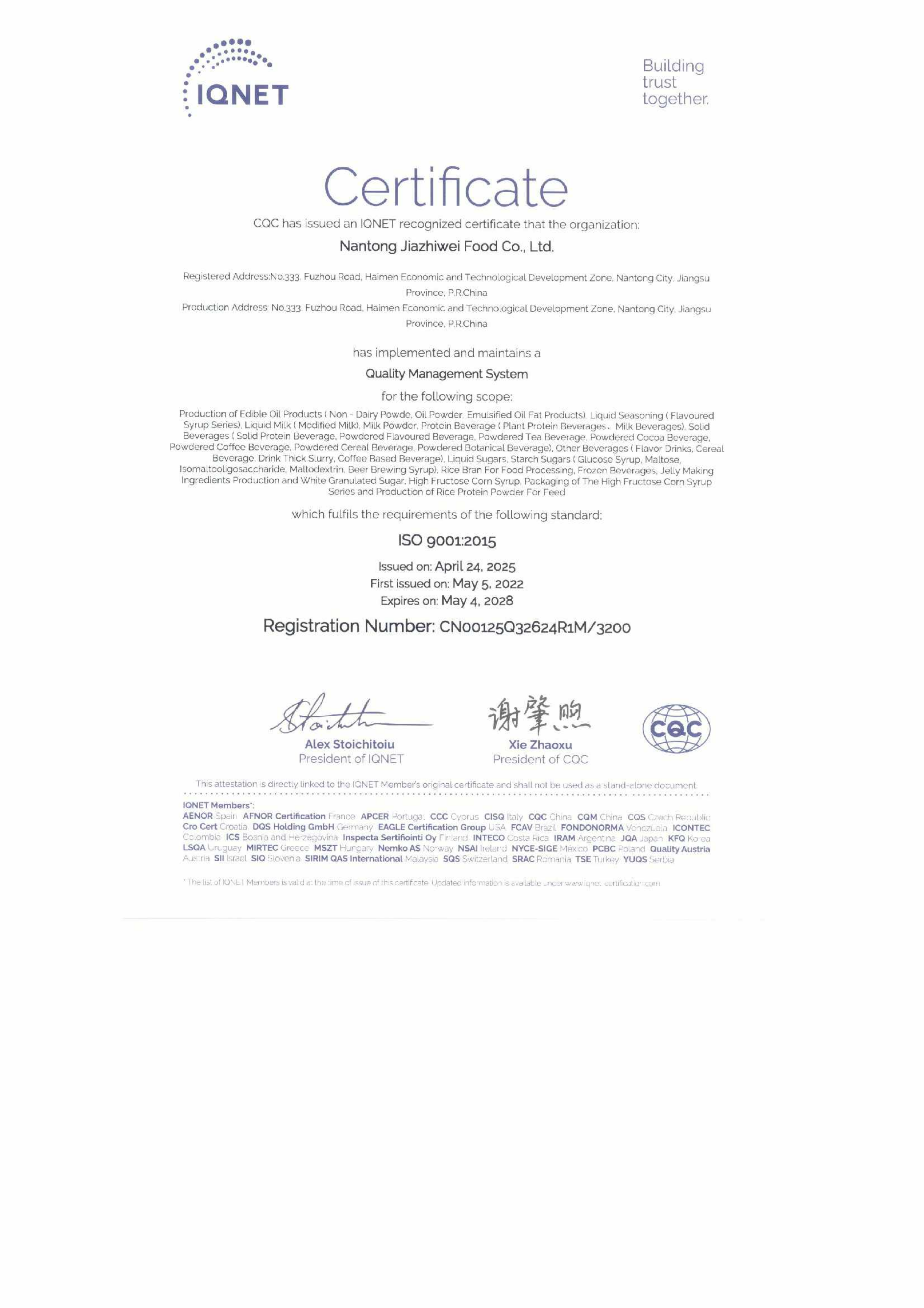
Kosher K80 is covered by Kosher certificate KC#529705-1, issued by KOSHER AUSTRALIA PTY LTD on 22 March 2026 and valid to 1 April 2027, with a scope covering non-dairy creamer model K80 in 25 kg packaging, batch JW26558, production date 20260311. For the US market, the company holds US FDA Food Facility Registration 13348058524 through Registrar Corp, issued 19 August 2025 and valid to 31 December 2026. At company level, the quality management system is certified to ISO 9001:2015 under certificate 00125Q32624R1M/3200 issued by CQC, valid from 24 April 2025 to 4 May 2028. Buyers should also note the dairy question: a "non-dairy" creamer containing sodium caseinate is treated as dairy under kosher rules, so vegan or dairy-free programmes should be evaluated against S35, which lists no dairy-derived materials.
2. Can the creamer be customised to a specific application?
Yes. The OEM/ODM and customised production service covers creamer formula, syrup DE value, packaging specification and product flavour. Stated monthly capacity on that line is 16,700 tons of creamer, and quality control includes full-process inspection, 100% metal and weight check, and third-party testing. After-sales support covers technical guidance, quality tracking and customisation adjustment.
3. What determines the commercial terms for an application-specific order?
MOQ is negotiable and is based on product type and packaging, which means the entry volume for a 25 kg kosher-certified pack and for a bulk bakery grade can differ. Quotation terms depend on the model selected, the packaging specification and the order volume, and should be requested per project rather than assumed from a catalogue. Capacity planning can be checked against the stated monthly output of 16,700 tons of creamer.
4. How should a buyer validate a grade before committing to volume?
Validation should follow four steps. First, confirm that the grade's listed intended-use statement covers your application. Second, compare fat, protein, moisture and trans fat values against your process targets — for example, 22.0 g/100 g fat for FC22 versus 60.0 g/100 g for C960 and 60A. Third, check the material list for dairy status, since the presence of sodium caseinate or milk powder determines what you can claim on the finished label. Fourth, request the quality documentation generated by the production line, which runs full-process inspection, 100% metal and weight check, and third-party testing. Long-running supply relationships — such as a three-year bubble tea programme across Singapore, Vietnam and the United States, or a five-year alcoholic beverage relationship in South Africa — show what consistent execution looks like over time, and are reported here as client outcomes rather than guarantees.
5. What is the lead time, and what is the next step?
Lead time for OEM/ODM and customised production is around 7–15 working days after order confirmation. The next practical step is to send the application brief — finished product, hot or cold process, label claim and target fat profile — so that the grade, packaging specification and commercial terms can be confirmed together. Cograin (Jiahe Foods Industry Co., Ltd.) can be reached through www.cograin.cn, and the full product range, specification data and capability overview are available in the 2025 Cograin brochure.
Conclusion: Build the Blueprint Before the Purchase Order
Selecting non-dairy creamer for bubble tea, coffee and baking works best as a short, documented sequence: state the application, filter by intended-use statement, confirm fat and protein against the process, check the label position created by the material list, then close commercial terms. On that logic, K60 covers general milk tea and coffee, FC22 covers foamy toppings and bakery use, C960 covers whipping applications, and S35 covers vegan desserts and alcoholic beverages — with cold-soluble creamer, DT35, 60A and Kosher K80 filling out cold beverage, low-sugar, high-fat and kosher-certified requirements.
The blueprint is only useful if it matches the specification sheet you actually receive, so treat the published values in this article as the reference point for your evaluation and confirm them against the current documentation issued with your quotation. Application-first selection is what keeps a bubble tea programme, a bakery line and a vegan beverage project on the grades that were designed for them.
Send Your Application Brief
Cograin is the non-dairy creamer brand of Jiahe Foods Industry Co., Ltd., founded in 2001 and headquartered in Suzhou, Jiangsu Province, China, with production sites in Suzhou, Nantong and Singapore. Share your finished product, process conditions and label requirements, and the team can propose the matching grade, packaging specification and lead time.
Website: www.cograin.cn
Email: davidqi@cograin.cn
Address: No. 333, Fuzhou Road, Haimen Economic and Technological Development Zone, Nantong
Download the full range overview: 2025 Cograin Brochure (PDF)
Have Questions or Need More Details?
Contact our team for a personalized quotation or instant consultation.
Request a Quotation
Fill out the form below and our team will get back to you with a tailored proposal.
WhatsApp Direct Chat
Prefer to chat in real-time? Message us on WhatsApp for instant assistance & quick answers.
- Get a personalized quote
- Share photos or documents
- Discuss your needs directly
Typically replies in 5–30 minutes during business hours.