
Non-Dairy Creamer Specs Mapped to Your Process
Non-Dairy Creamer Technical Selection Guide: Matching Fat, Protein, and Moisture Specs to Your Process
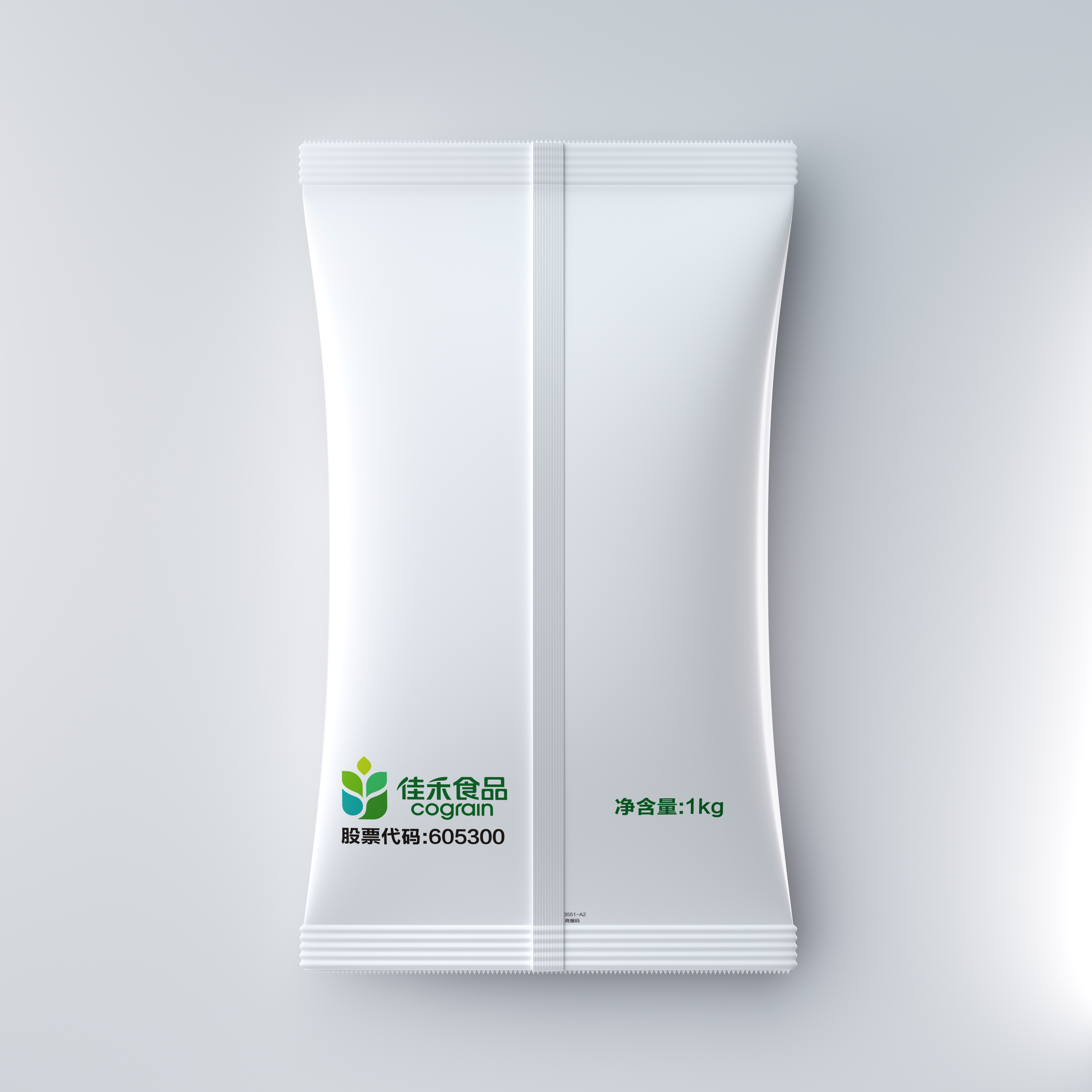
Creamer selection usually goes wrong before the data sheet is opened, not after. A 32.0 g/100g fat value tells you what the powder is made of. It does not tell you whether that powder will whiten a vending coffee at high temperature, hold a foam on a bakery topping, or disperse in a 4°C iced drink without leaving grit at the bottom of the cup.
This guide works in the opposite direction to a catalogue: it starts from the process, then reads the documented parameters of the Cograin range against it. Cograin (Jiahe Foods Industry Co., Ltd.), a non-dairy creamer manufacturer founded in 2001 and headquartered in Suzhou, Jiangsu Province, documents grade-level values for fat, protein, moisture and trans fat across its creamer models. The second half of the article deals with the part most buyers learn late: how to convert a matched grade into a specification that still holds on the fifth repeat order.
Problem definition: one parameter sheet, four different processes
Four process families dominate creamer use, and each one stresses a different property. A single parameter sheet cannot rank them for you.
Hot aqueous systems — coffee, tea, vending, milk tea — reward fast wetting, whitening power and a clean finish with no oil ring on the surface. Cold aqueous systems — iced coffee, chilled dairy-style drinks, cold-filled beverages — reward dispersion without hot water, because a powder that hydrates only in hot liquid will stay visible in a chiller cup. High-shear systems — foaming and whipping — reward a foam structure that survives several minutes of service. Dry blends and low-water systems — bakery mixes, powdered beverage bases, feed — care more about particle flow, bulk behaviour and dusting than about instant whitening.
The practical consequence is simple: a grade optimised for the first family has no automatic claim on the second. Comparing grades without stating the process produces confident answers that fail at pilot scale.
Industry background: the parameters are outputs of formulation
Instant non-dairy creamer is built from an oil phase, a carrier, an emulsifier and stabilizer system, and often a protein source. Emulsification, spray drying and agglomeration turn that mix into a dispersible powder, as process descriptions published by equipment suppliers such as GEA set out. Every finished parameter therefore describes the formula rather than ranking it: fat reflects the oil load, protein points to a protein-bearing ingredient, moisture reflects drying and packaging, and trans fat reflects the oil phase.
The category also sits inside ordinary food regulation, which matters once a grade becomes a repeat order. The USDA Agricultural Marketing Service maintains a Commercial Item Description covering dry non-dairy creamer for government procurement, and U.S. Customs has classified imported non-dairy coffee creamer from China under HTS 2106.90.9975. Both are routine documents, and both are easier to assemble before the first shipment than after the tenth.
Step 1: describe the process before opening a data sheet
Six answers narrow eight candidate grades to two or three. Write them down before comparing numbers, because each one eliminates candidates for a structural reason rather than a preference.
- Reconstitution conditions: hot line, cold line, or high-shear whipping. This decides whether cold-soluble performance is mandatory.
- Base chemistry: pH and alcohol level of the finished product, if the application is acidic or alcoholic. Both are validation questions for the specific grade, not assumptions to carry over from another model.
- Hold time and service temperature: a foam that must last ten minutes is a different target from an emulsion that must survive four hours in a chiller.
- Finished format: ready-to-drink liquid, dry blend, sachet, bakery cream, vending powder.
- Claims that act as filters, not preferences: vegan, kosher, low sugar, zero trans fat. A claim can remove a grade from the shortlist regardless of how well it performs.
- Pack format and warehouse climate: these set the moisture ceiling you can actually live with in bulk storage.
Step 2: read fat content as a functional decision
Fat is the part of the powder that carries body, whitening power and fat-soluble flavour. In the documented range it also separates the grades into three bands: 22.0 g/100g for FC22 foaming, 32.0 g/100g for K60 and Kosher K80, and 35.0 g/100g for DT35 low sugar.
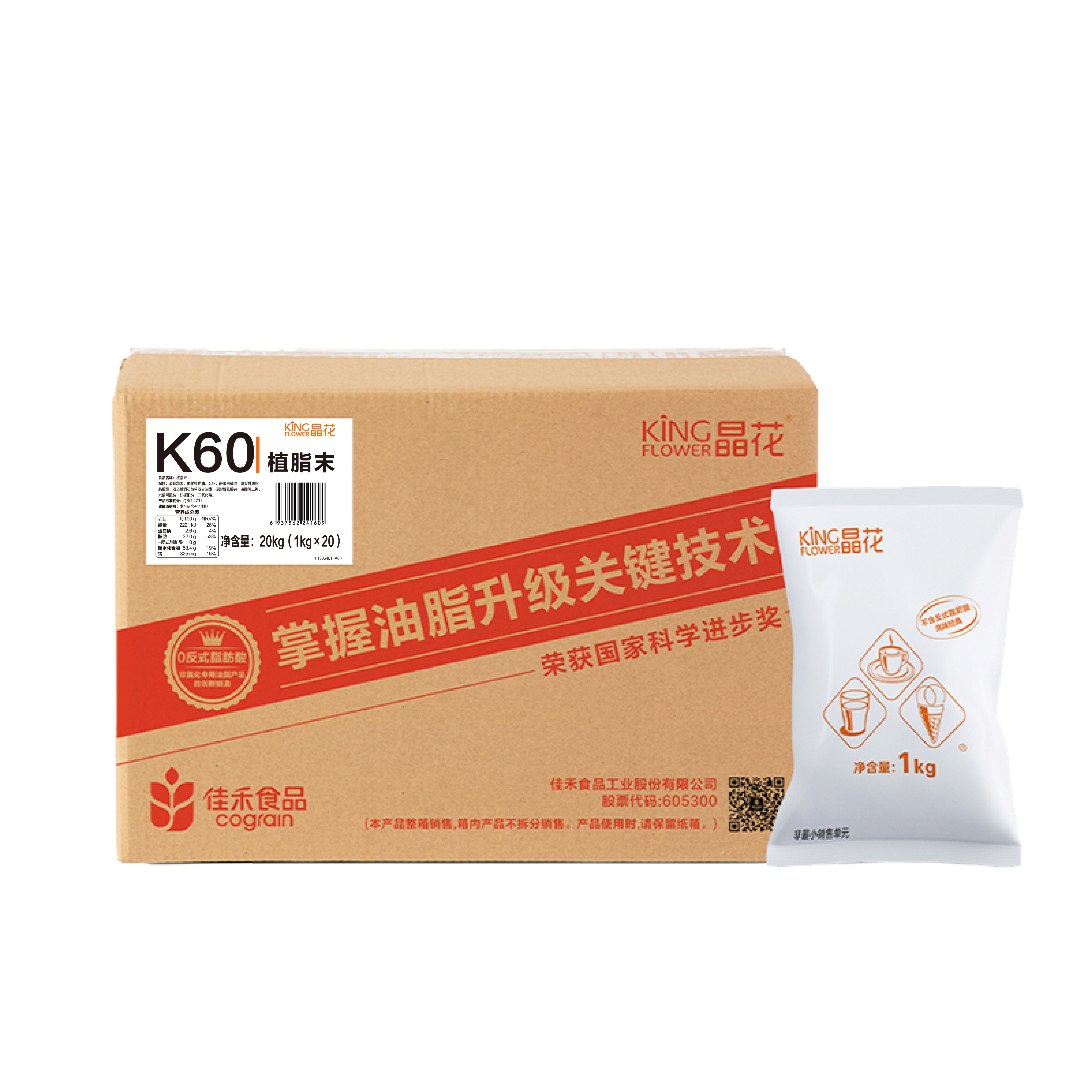
The 32.0 g/100g band is where most beverage work sits. K60 pairs that fat level with 2.6 g/100g protein and a moisture limit of ≤5.0%, a combination written for hot beverage whitening with a defined moisture ceiling rather than a loose one. Kosher K80 sits at the same 32.0 g/100g fat level and exists for lines where kosher certification is a market-access requirement.
DT35 low sugar is the interesting case. It carries 35.0 g/100g fat with 2.5 g/100g protein, so the documented difference against the 32.0 g/100g grades is a higher oil load at a slightly lower protein figure. That is consistent with rebuilding the body and mouthfeel that sugar reduction takes away — but it is a hypothesis to test in your own base, not a promise. Run both grades at equal solids and compare whitening, body and aftertaste before assuming the higher number wins.
FC22 foaming inverts the logic. At 22.0 g/100g it carries less fat than the beverage grades, so the oil load is not what makes it a foaming grade; the emulsifier and stabilizer system is. Reading 22.0 as a weaker version of 32.0 is the most common misreading in this category. It is a different job, not a lower grade.
Step 3: read protein as a formulation signal
Documented protein values in this range run from 0 g/100g for vegan S35 to 2.5 g/100g for DT35, 2.6 g/100g for K60 and 3.5 g/100g for the cold-soluble creamer. Read them as a description of what is in the powder, not as a nutrition score.
In non-dairy creamer, a protein figure usually points to a milk-derived ingredient such as sodium caseinate, which contributes body and supports the oil-water interface. That single fact drives three decisions. A grade with protein cannot be vegan, so the vegan claim and the protein value must be read together. The same ingredient changes the dairy declaration and the allergen statement. And for kosher work, the dairy or non-dairy status of the ingredients affects how the certified grade is classified, so it must be confirmed on the certificate for that grade rather than inferred from a model name.
S35 is documented at 0 g/100g protein, which is the practical starting point for a vegan formulation that cannot use sodium caseinate. The cold-soluble creamer carries the highest documented protein figure in the set at 3.5 g/100g; if your target market requires a dairy-free claim, check the protein source on the declaration before treating the grade as suitable.
Step 4: set moisture as a shelf-life and flow control
Two moisture limits are documented here: ≤5.0% for K60 and the cold-soluble creamer, and ≤6.0% for FC22. The difference is a specification choice, not a quality verdict — a 6.0% ceiling is a wider window, which is a legitimate design decision for some applications.
Moisture drives caking, hopper flow, dusting and the way a powder ages in storage. Three rules keep it under control. First, do not copy a moisture limit from one grade to another; the number belongs to the grade and to its own drying and packaging parameters. Second, set the limit according to pack format and climate — a 25 kg bag stored in a humid warehouse is a different risk from a sealed sachet. Third, agree the test method and sample size with the supplier so that two laboratories produce comparable results; a limit without an agreed method is an argument waiting to happen at goods-in.
Step 5: confirm 0 g/100g trans fat with documents
Every grade in the documented set carries 0 g/100g trans fat. That value is one of the strongest buying criteria in the category and one of the easiest to undermine with loose paperwork.
Two checks convert the number into something you can defend. First, confirm the basis: 0 g/100g is a statement per 100 g of product, and it should appear on the certificate of analysis in the same form as in your purchase specification. Second, confirm the oil phase, because hydrogenated vegetable oil and refined vegetable oil lead to different conversations about the fatty acid profile and about what supports the claim. Labelling rules differ between markets, so the final wording on pack belongs with your regulatory team; the supplier's job is to provide the batch document and the profile behind it.
Step 6: map the ingredient declaration to the function you need
Ingredient declarations are where the parameters come from. The same six composition roles explain most of the differences between grades, and they tell you what to verify rather than what to assume.
| Composition role | Typical example | What it does | What to verify |
|---|---|---|---|
| Oil phase | Hydrogenated vegetable oil or refined vegetable oil | Carries body, whitening and fat-soluble flavour; a hydrogenated phase is a structured, more stable fat system, a refined oil a neutral one | Trans fat statement in g/100g, oil identity and origin if restricted in your market |
| Milk protein | Sodium caseinate | Body and emulsion support; the ingredient behind a dairy mouthfeel | Dairy and allergen declaration; rules out vegan; affects kosher dairy classification |
| Carrier solids | Glucose syrup | Bulk, carrier for the oil phase, and part of the sweetness and flow profile | DE value tolerance and sugar declaration if the brief is low sugar |
| Interface | Emulsifier | Keeps oil and water mixed through reconstitution and supports whitening and foam | Emulsifier class if your market restricts specific types |
| Structure | Stabilizer | Holds foam and emulsion during hold time and heat | Whether the system is intended for hot service, cold service, or both |
| Cold dispersion | Oxidized hydroxypropyl starch | Modified starch that lets the powder wet out and disperse in cold water instead of clumping | The cold-soluble claim itself, plus starch and allergen declarations |
Read this table as a set of questions to put to a supplier, not as a substitute for the declaration. If a grade is described as foaming, ask which emulsifier and stabilizer system produces the foam. If a grade is described as cold-soluble, ask which starch carries the dispersion. The answers determine whether the grade will behave the same way in your line as it did in the sample.
Selection matrix: documented parameters against process fit
The matrix below uses only the values documented for each grade. Where a value is absent, it is marked as absent rather than estimated, because a guessed parameter is worse than a blank one.
| Grade | Fat (g/100g) | Protein (g/100g) | Moisture | Documented note | Process it fits |
|---|---|---|---|---|---|
| FC22 foaming | 22.0 | — | ≤6.0% | Foaming grade | Foam and topping work, bakery creams, whipping-type applications |
| K60 | 32.0 | 2.6 | ≤5.0% | Beverage grade with a tight moisture ceiling | Hot coffee, tea, milk tea, vending, powdered beverage blends |
| Kosher K80 | 32.0 | — | — | Kosher-certified grade | Lines where kosher certification is a market-access requirement |
| DT35 low sugar | 35.0 | 2.5 | — | Higher fat load paired with a low-sugar formulation | Reduced-sugar beverages where body must be rebuilt |
| S35 vegan | — | 0 | — | Zero documented protein, vegan positioning | Plant-based beverages and vegan formulations |
| Cold-soluble creamer | — | 3.5 | ≤5.0% | Contains oxidized hydroxypropyl starch for cold dispersion | Iced coffee, chilled beverages, cold-filled drinks |
| C960 | — | — | — | Parameters outside the reference set used here | Confirm on its own data sheet before matching |
| 60A | — | — | — | Parameters outside the reference set used here | Confirm on its own data sheet before matching |
— means the value is not stated in the reference set used for this guide. Request the current technical data sheet and certificate of analysis for the specific grade, and do not transfer a parameter from one model to another.
C960 and 60A belong to the same range but are not described by the parameter set above. That is a working instruction rather than a gap in the portfolio: cross-model specification transfer is one of the most expensive habits in ingredient procurement, because a buyer who assumes 60A behaves like K60 at the bench has effectively written a specification nobody verified. Treat C960 and 60A as candidates requiring their own documents.
Use cases: where the documented grades usually land
Hot coffee, tea and vending. The 32.0 g/100g band is the natural starting point, with K60's ≤5.0% moisture limit doing quiet work in a dry hopper. Validate whitening at your serving temperature and check for an oil ring after ten minutes of holding.
Milk tea and sweetened beverages. K60 covers standard formulas; DT35 at 35.0 g/100g fat and 2.5 g/100g protein is the documented option when sugar comes out and body has to be rebuilt. Compare both at equal solids, because the sweetness difference will otherwise decide the test for you.
Iced and cold-filled drinks. The cold-soluble creamer is documented at 3.5 g/100g protein with a ≤5.0% moisture limit and oxidized hydroxypropyl starch for cold dispersion. If a product is served cold, this is the parameter that decides whether the powder disappears or floats.
Foam and bakery work. FC22, documented at 22.0 g/100g fat with a ≤6.0% moisture limit, is the foaming grade; whipping cream powder is a separate product category in the Cograin portfolio. Both need a bench trial that measures foam hold time at your service temperature rather than a visual check at mixing.
Vegan and kosher lines. S35 at 0 g/100g protein and Kosher K80 at 32.0 g/100g fat cover the two claim-driven cases. In both, the certificate and the declaration decide, not the model name.
Other applications listed in the Cograin portfolio — alcoholic beverages, animal feed and milk powder systems — bring their own validation questions. Alcohol and acidity stress an emulsion differently from hot water, and feed applications fall under a different regulatory framework. Neither should inherit a beverage specification without a trial.
Step 7: lock the matched specification for long-term supply
Matching a grade is a single decision. Keeping that match across years of repeat orders is a relationship, and it depends on documents rather than on the original sample. Five controls do most of the work.
Tolerance bands and test methods. A purchase specification should state each parameter with a tolerance and an agreed method, not a single target value. Fat at 32.0 g/100g, protein at 2.6 g/100g and moisture at ≤5.0% are the targets; the bands around them are what you will actually enforce at goods-in.
Batch documentation and independent testing. The manufacturer runs full-process inspection, 100% metal and weight checks, and third-party testing. Ask which third-party scope applies to your grade, and require the certificate of analysis per batch rather than per year.
Change control. Oil source, protein source, DE value, packaging and process changes all move a specification. Because Cograin's customization scope covers creamer formula, packaging specification, product flavour and syrup DE value, write down which of those are locked for your product and require notification plus a re-validation sample before any of them changes.

Capacity and continuity. Monthly production capacity is 16,700 tons of creamer alongside 16,700 tons of syrup, 8,300 tons of solid drink, 8,300 tons of liquid drink and 4,200 tons of flavoured syrup, within annual non-dairy creamer output of 200,000 tons and total annual capacity above 300,000 tons across three production bases and five factories in Suzhou, Nantong and Singapore. For a buyer, the useful question is not the headline figure but which site and line your grade runs on, and what happens to your allocation if that line stops.
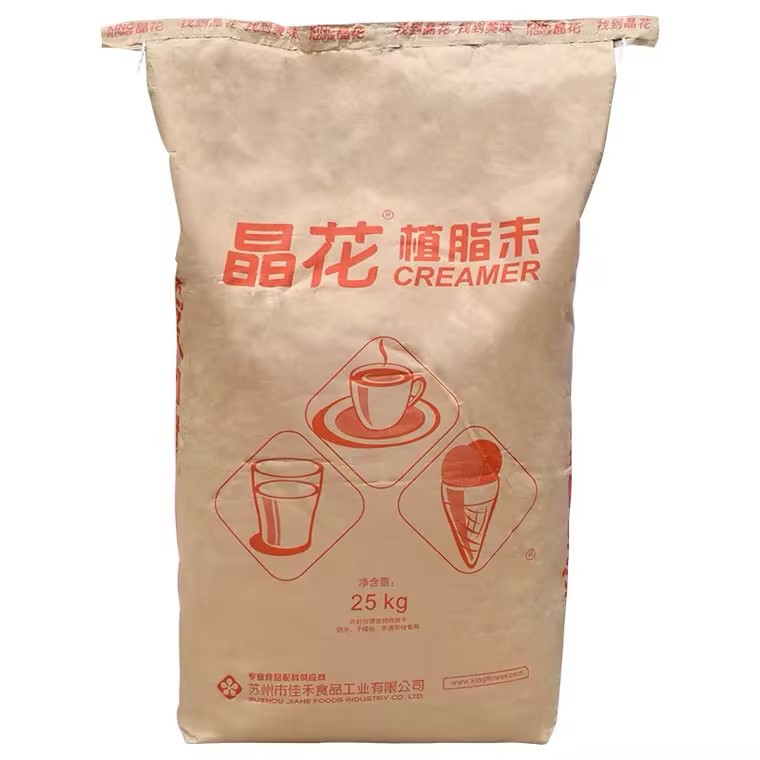
Certificate currency and technical support. The manufacturer holds ISO9001, FSSC22000, HACCP and HALAL certifications, and a U.S. FDA Food Facility Registration (no. 13348058524) for US-bound supply; kosher status is grade-specific and belongs on the K80 certificate. Reformulation support runs through a technology centre with 22 engineers, which matters when a specification has to move because a market's labelling rule changed. Typical production lead time is around 7–15 working days after order confirmation, and customized specifications should be scheduled against that before the first order rather than after it.
Six mismatches worth catching before scale-up
- Reading 22.0 g/100g as a downgrade. FC22's lower fat load is part of a foaming design, not a weaker beverage grade.
- Assuming a higher fat figure always wins. DT35 at 35.0 g/100g changes body and mouthfeel; whether that is better depends on the base it goes into.
- Using a hot-validated grade in a cold line. Cold-soluble performance is a formulation property carried by the starch system, not a mixing instruction.
- Inferring vegan or kosher status from a model name. The declaration and the certificate decide, and a protein-bearing grade cannot be vegan.
- Printing a zero trans fat claim without a document trail. The batch certificate and fatty acid profile come first.
- Transferring parameters between models. C960 and 60A must be matched on their own data sheets.
FAQ
How do I document a 0 g/100g trans fat specification?
Ask for the batch certificate of analysis with the trans fat value expressed on the same basis as your specification, in g/100g, together with the fatty acid profile for the oil phase. Every grade in the documented Cograin set carries 0 g/100g trans fat, but a claim on your pack has to be supported by the batch document and by the labelling rules of the destination market, so confirm the basis and the market with your regulatory team before printing.
Should I choose a 32.0 g/100g or a 35.0 g/100g fat grade?
Start from what the fat is replacing. For standard hot beverage whitening, the 32.0 g/100g band is the natural starting point — K60 with 2.6 g/100g protein and a ≤5.0% moisture limit, or Kosher K80 at the same fat level for certified lines. If the brief is a reduced-sugar drink where solids and mouthfeel must be rebuilt, DT35 at 35.0 g/100g fat and 2.5 g/100g protein is the documented higher-fat option. Confirm the difference in your own base by running both at equal solids and comparing whitening, body and aftertaste.
Can a creamer with 0 g/100g protein still give body in a vegan drink?
It can carry fat, whitening and the emulsifier system, which is where most of the body comes from, but it removes the milk-protein contribution. S35 is documented at 0 g/100g protein, the practical starting point for a vegan formulation that cannot use sodium caseinate. Decide whether body must come from a higher fat level, from the carrier solids or from the stabilizer system, and confirm vegan status through the declaration and certificate rather than the model name.
Do I need different grades for hot and cold service?
Often yes. Cold-soluble performance is a formulation property rather than a dosage adjustment: the cold-soluble grade is documented with 3.5 g/100g protein, a ≤5.0% moisture limit and oxidized hydroxypropyl starch, a modified starch used so the powder wets out in cold water. A grade validated in hot coffee has no automatic cold-water claim. If one product must serve both, validate the cold case first, because that is where the failure is visible.
What are the commercial terms, and what lead time should I plan for?
MOQ, delivery terms, acceptance criteria and payment terms are negotiable based on customer requirements. Typical production lead time for the Cograin range is around 7–15 working days after order confirmation, and customized specifications for formula, packaging, flavour or DE value should be confirmed against that schedule before the first order. Samples of the specific grade and the company brochure can be requested by email at davidqi@cograin.cn or by WhatsApp on +6596809996.
Conclusion
The selection sequence in this guide is deliberately unglamorous: describe the process, filter on claims, read fat for body, protein for formulation, moisture for shelf life and trans fat for documentation, then confirm the grade on its own data sheet. Done in that order, the parameter sheet stops producing false comparisons and starts producing a specification.
What separates a good first order from a good fifth order is the paperwork built around the match: tolerance bands, agreed test methods, per-batch certificates, change-control notification and a packaging decision that suits your warehouse. Those controls cost less than a reformulation at scale, and they are the part of a technical selection guide that buyers keep coming back to.
Next step: validate on the grade, not on the category.
Match your process conditions to a specific Cograin grade, request the technical data sheet and sample for that model, and confirm tolerance bands in writing before the first order.
Brochure download: 2025 Cograin Brochure · Website: cograin.cn · Email: davidqi@cograin.cn · WhatsApp: +6596809996
Specification values quoted in this guide are the documented values for the named grades. Confirm current values, certificates and commercial terms with the supplier before writing a purchase specification.
Have Questions or Need More Details?
Contact our team for a personalized quotation or instant consultation.
Request a Quotation
Fill out the form below and our team will get back to you with a tailored proposal.
WhatsApp Direct Chat
Prefer to chat in real-time? Message us on WhatsApp for instant assistance & quick answers.
- Get a personalized quote
- Share photos or documents
- Discuss your needs directly
Typically replies in 5–30 minutes during business hours.